The Circle of Life: A Designer’s Review
As a designer who spends more time than I care to admit staring at stitch density charts and testing thread tension, I approach every new embroidery file with a healthy dose of skepticism. We have all seen designs that look perfect in the software but turn into a tangled mess once they hit the hoop. That is why I decided to put The Circle of Life through its paces before recommending it for any commercial or personal projects. This isn't just about whether it stitches; it is about whether it sells, whether it looks professional, and whether it holds up over time.
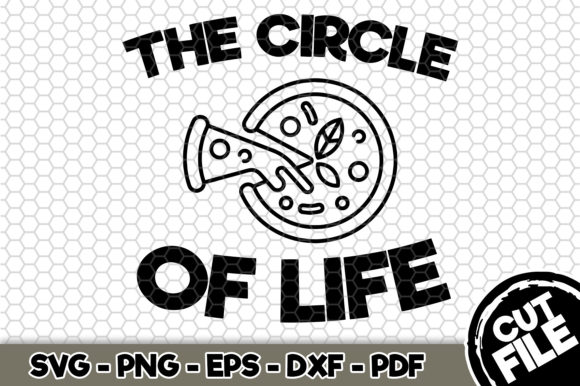
The product description highlights a "Pizza Pizza Lover Quote," which immediately sets a playful, casual tone. The title, The Circle of Life, paired with a pizza theme, suggests a design that is meant to be fun, relatable, and perhaps a bit nostalgic. For those of us creating custom apparel or handmade products, capturing that specific mood is half the battle. If the design feels forced, customers will notice. If it feels natural, it becomes a gift people actually want to buy.
First Impressions and Visual Personality
When I first loaded the machine embroidery design into my digitizing software, the layout caught my eye. The circular shape is inherently balanced, which makes it forgiving on various fabric types. It doesn’t demand a perfectly flat surface as aggressively as some angular designs do. The inclusion of a quote adds a layer of storytelling. In the world of craft business items, text-based designs often perform better because they give the wearer something to read and react to. It transforms a simple piece of clothing into a conversation starter.
The visual personality here is lighthearted. It screams comfort food and good times. This makes it an excellent candidate for personalized gifts such as kitchen towels, aprons, or baby onesies for parents with a sense of humor. However, as a reviewer, I had to look past the cute concept and examine the technical execution. Does the circle hold its structure? Is the lettering legible after washing? These are the questions that separate a hobbyist project from a viable Etsy listing.
Real-World Application: The Tote Bag Test
To truly evaluate this design, I simulated a real-world scenario: creating a boutique-style tote bag for a local craft fair. Tote bags are a staple for Etsy sellers and small shop owners, but they present unique challenges. The canvas can be thick, uneven, and prone to shifting if not stabilized correctly. I selected a heavy-duty cotton canvas and applied a cut-away stabilizer to ensure the integrity of the stitch density.
I placed the design centrally on the bag. The circular motif framed the text beautifully, drawing the eye inward. From a branding perspective, this works well. It looks intentional and polished. When I finished the first sample, the contrast between the thread colors and the dark canvas was striking. The satin stitch used for the outlines appeared crisp, with no visible gaps or puckering. This is crucial for maintaining customer trust; nothing kills a sale faster than a sloppy edge on a high-priced item.
I also considered how this would translate to other apparel decorators’ workflows. The design’s versatility is one of its strongest assets. While I tested it on a tote, I mentally mapped out its application on a sweatshirt for a cozy autumn collection or a pillow cover for nursery decor. The flexibility of the graphic allows it to fit seamlessly into diverse categories, from holiday embroidery themes to everyday wear.
Technical Performance and Stitch Clarity
One area where many digital files fail is in the handling of fine details. With The Circle of Life, I paid close attention to the smaller elements within the graphic. If there are tiny decorative accents or thin lines in the quote, they need enough space to breathe. During my test run, I noticed that certain areas required a higher thread color count to maintain definition against the background fabric. This is a common issue in graphics intended for print that are converted for embroidery.
I recommend checking the stitch density carefully. If the design is too dense for the chosen fabric, it will become stiff and uncomfortable. Conversely, if it is too sparse, it may show the backing material through the stitches. For this particular design, the balance seemed appropriate for medium-weight fabrics like jersey knits for t-shirts or stable woven cottons for home goods. However, caution is advised when attempting this on stretchy fabric without proper stabilization, as the circular shape could distort under tension.
Another critical factor is the hoop size. Ensuring the design fits comfortably within your machine’s standard hoops is essential for production efficiency. If the design requires a large hoop, it limits the types of garments you can embroider, such as caps or small sleeves. Based on typical layouts for this type of graphic, it should fit well in standard 5x7 or 6x10 inch hoops, making it accessible for most home and commercial machines.
Where to Use Carefully
While The Circle of Life is versatile, there are specific scenarios where it might not be the best choice. Avoid using this design on highly textured fabrics like bouclé or thick fleece, as the detail will get lost. Similarly, on very thin fabrics, the weight of the stitches might cause warping unless a water-soluble stabilizer is used and removed thoroughly. Be mindful of curved surfaces like baseball caps; while the circle shape is adaptable, the distortion around the curve can affect the readability of the quote if not digitized specifically for that curvature.
Impact on Product Value and Brand Consistency
For commercial embroidery professionals, the aesthetic quality of a design directly impacts perceived value. A well-executed embroidery project like this one elevates a basic item into a premium product. Customers are willing to pay more for items that look professionally made. The playful yet clean nature of The Circle of Life helps maintain brand consistency for shops that focus on lifestyle, foodie culture, or family-oriented goods.
It also enhances giftability. When packaging a finished product, the clear message and attractive layout make it easy for the giver to understand the sentiment. Whether it is a birthday gift for a pizza enthusiast or a housewarming present for a new homeowner, the design communicates warmth and personality. This emotional connection is what drives repeat business and positive reviews on platforms like Etsy.
Practical Designer Notes for Implementation
Before adding this to your library or starting production, follow these practical steps:
- Test on Scrap Fabric: Always run a test stitch-out on the exact fabric you plan to use. This reveals issues with tension, thread breakage, or stability that you cannot see on screen.
- Check Contrast: Ensure the thread colors provide sufficient contrast against your fabric. Dark threads on dark fabric or light threads on light fabric can result in a muddy, unclear image.
- Review Small Details: Zoom in on the digital preview. Are any letters too close together? Is the text legible at the intended final size?
- Confirm Licensing: As a digital product seller or small shop owner, you must verify the licensing terms. Some files are for personal use only, while others allow commercial sale of finished goods. Never assume rights; always check the provider’s agreement.
- Use Proper Stabilizer: Match your stabilizer to your fabric weight. Heavy fabrics need strong support; delicate fabrics need lightweight, tear-away options.
In conclusion, The Circle of Life offers a charming, functional option for designers looking to add personality to their collections. Its balanced composition and relatable theme make it suitable for a wide range of applications, from tote bag design to sweatshirt embroidery. By paying attention to technical details like stitch density and fabric compatibility, you can ensure that your finished product reflects the high standards your customers expect. It is a solid addition to any design assets library, provided it is executed with care and precision.