Hello Santa Embroidery Review
As a designer who spends more time looking at stitch density and thread contrast than I do drinking coffee, I am always skeptical when new digital assets hit the market. We have all seen the endless stream of "cute" clip art that falls apart the moment it is converted into an embroidery file. That is why I took Hello Santa for a real-world test run. This isn’t just about how the graphic looks on a screen; it is about how it translates to thread, fabric, and ultimately, a finished product that customers will actually want to buy or keep.
The premise is simple: a Christmas quote design intended for cut files and embroidery. The package includes a ZIP file with smooth, professional formats like SVG, PNG, PDF, and JPEG. But does it hold up when the needle starts moving? Let’s break down the practical application of this design for your craft business or personal projects.
First Impressions and Visual Personality
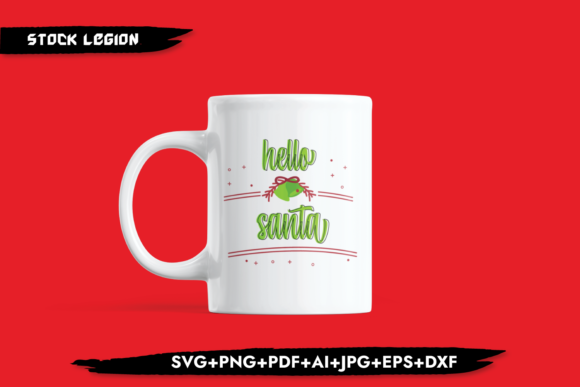
When you first open the Hello Santa file, the immediate takeaway is clarity. In the world of holiday embroidery, there is a fine line between festive charm and visual clutter. This design leans heavily into the former. The typography is bold and legible, which is crucial because text-based designs are often the most scrutinized by buyers. If the letters are too thin or the spacing is off, the design loses its impact entirely.
The mood created by this asset is warm, inviting, and traditionally festive without being overly complex. It feels like something you would see in a high-end boutique window rather than a mass-produced discount store item. For designers, this personality is valuable. It allows the design to fit seamlessly into a curated collection of holiday goods. Whether you are creating a handmade product for a local craft fair or listing a small shop product on Etsy, the clean lines of Hello Santa provide a professional foundation that elevates the perceived value of the final piece.
Real-World Application: The Tote Bag Scenario
To truly evaluate an embroidery project, you have to imagine it on a physical object. My test case was a custom embroidered tote bag made from sturdy cotton canvas. This is a common request for Etsy sellers and craft business owners during the winter season. Tote bags are functional, giftable, and offer a large, flat surface area that is forgiving for beginners but demanding for perfectionists.
Placing Hello Santa on the center of the tote required careful consideration of placement. Because the design is text-heavy, it demands a clear focal point. On the canvas, the contrast between the white background of the bag and the dark thread colors used for the lettering was striking. The design did not get lost in the weave of the fabric. Instead, it popped. This is a key indicator of a successful machine embroidery design: it maintains its integrity regardless of the substrate.
I also considered the end-user. A customer buying a personalized gift wants to read the message instantly. They shouldn’t have to squint at a blurred-out phrase. The resolution provided in the source files (300 dpi PNGs) ensures that when digitized or cut, the edges remain sharp. This sharpness translates directly to customer trust. When a buyer receives a product where every curve and corner is precise, they perceive the maker as skilled and attentive to detail.
Performance Across Different Mediums
While the tote bag was a success, versatility is what makes a design asset truly useful. Here is how Hello Santa performs in other common scenarios:
- Sweatshirt Embroidery: Hoodies and crewnecks are staples of holiday fashion. The design works beautifully on the chest pocket area or centered on the front. However, be mindful of the fabric thickness. Thick fleece can sometimes distort tight lettering if the stabilizer isn't robust enough.
- Baby Embroidery: For onesies or burp cloths, smaller sizes of this design are ideal. The playful nature of the quote fits well with nursery decor themes. Just ensure that any small details are scaled appropriately so they don’t become difficult to stitch out on tiny hoops.
- Applique Design Potential: Although primarily a text/quote design, the shapes within the letters could potentially be adapted for applique work if you are feeling creative. Using contrasting felt against denim could create a unique embroidered patch style look.
- Kitchen Towels and Aprons: These items are popular for holiday gifting. The durability of the stitching matters here. Since kitchen textiles are washed frequently, the stability of the fill stitch areas is critical to prevent pilling or unraveling over time.
Where Caution Is Required
No design is perfect for every situation. As an experienced reviewer, I must highlight where Hello Santa might present challenges. Avoid using this design on highly textured fabrics like bouclé or heavy wools unless you are prepared for significant hooping difficulties. The uneven surface can cause needle deflection, leading to misaligned stitches.
Similarly, stretchy fabrics like jersey knits require excellent stabilizer support. Without proper backing, the tension from the satin stitch borders around the letters can pucker the fabric, ruining the aesthetic. If you are working on curved surfaces like baseball caps, pay close attention to the curvature of the text. Flat text on a curved brim can look distorted if not adjusted correctly in your digitizing software.
Also, consider the size. While the design is scalable, extremely small versions may lose readability. Tiny lettering is hard to stitch cleanly and even harder for customers to appreciate. Stick to medium-to-large sizes for the best results, especially if you are aiming for a premium finished product.
Practical Designer Notes for Success
Before you commit to a full production run, follow these steps to ensure quality control:
- Test on Scrap Fabric: Always run a test stitch-out on the exact fabric you plan to use. This reveals issues with thread tension, color contrast, and fabric compatibility.
- Check Thread Colors: The design’s success relies heavily on contrast. Test light threads on dark fabrics and vice versa. Consider using metallic or variegated threads for a festive touch, but ensure they don’t clash with the primary message.
- Review Stitch Density: High-density areas can make a product stiff and uncomfortable. If the design has dense fill areas, consider reducing the density slightly for wearable items like hats or shirts to maintain comfort.
- Confirm Hoop Size: Ensure your machine’s hoop size accommodates the largest version of the design. The 6x6 inch standard is versatile, but always verify before starting.
- Inspect Small Details: Zoom in on the digital file. Are there any jagged edges or disconnected paths? Fix these in your vector software before converting to an embroidery file.
- Licensing Check: If you are selling finished items, double-check the license terms included with the ZIP file. Some digital embroidery files allow commercial use, while others are personal-use only. Protect your craft business by staying compliant.
Final Verdict
Hello Santa is a solid, reliable addition to any designer’s library. It strikes a balance between simplicity and seasonal spirit. It is not trying to be anything other than a clear, cheerful greeting, and that clarity is its greatest strength. For commercial embroidery projects, personalized gifts, or holiday embroidery collections, this design delivers professional results with minimal fuss.
Whether you are a seasoned pro or a hobbyist looking to expand your offerings, Hello Santa offers good value. It integrates easily into existing workflows, pairs well with various fabric types, and produces a handmade product that feels complete and polished. Just remember to respect the limits of fabric texture and hoop size, and you will find this design to be a trustworthy ally in your creative process.