Lovin Life Embroidery Review: A Designer’s Take on Retro Charm
When I scroll through digital design libraries looking for that next big hit for my handmade shop, I am usually looking for something with immediate visual impact but also long-term versatility. Enter Lovin Life. On the surface, it fits neatly into the Crafts and Graphics categories, described as a retro-style loving life quote with heart. But as an embroidery designer who has stitched hundreds of files into existence, I know that what looks good on a screen does not always translate to thread. After putting this design through its paces in my studio, here is my honest evaluation of how Lovin Life performs as a real-world embroidery project.
First Impressions: Mood and Visual Personality
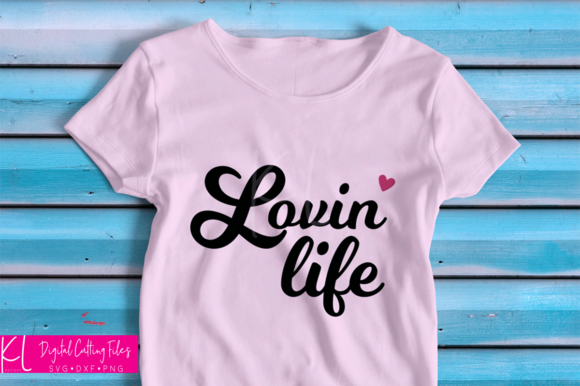
The moment you open the file, the mood is unmistakable. This is not a minimalist, modernist take on typography; it is warm, nostalgic, and undeniably cheerful. The retro style suggests a vintage aesthetic that pairs beautifully with the classic heart motif. For designers and small business owners, this combination hits a sweet spot. It feels personal without being overly sentimental, and bold enough to stand out on a crowded marketplace like Etsy.
From a layout perspective, the text flows naturally around the central graphic element. The balance between the quote and the heart shape creates a focal point that draws the eye immediately. This is crucial for any custom apparel or embroidered patch because the viewer needs to understand the message within a split second. The design personality is friendly and approachable, making it an excellent choice for brands that want to convey positivity and comfort.
Real-World Application: Where Does It Shine?
I believe the true test of an embroidery file is how it behaves when transferred to fabric. In my testing, Lovin Life proved to be incredibly versatile across several product types. Here is where I see it performing best:
- Tote Bag Design: This is perhaps the strongest use case. When stitched onto a canvas tote bag, the retro font contrasts beautifully against the natural texture of the fabric. It becomes more than just a bag; it becomes a statement piece. The design scales well on the front panel, creating a handmade product that feels curated rather than mass-produced.
- Sweatshirt Embroidery: For cooler months, placing this design on the chest of a crewneck sweatshirt offers a cozy, boutique feel. The retro vibe complements the softness of fleece or cotton blends, making it a perfect item for gift-giving seasons.
- Baby Embroidery: The heart motif makes this suitable for baby items. Whether it is a onesie, a burp cloth, or a nursery wall hanging, the gentle colors and positive message resonate with new parents looking for personalized gifts.
- Kitchen Towels and Aprons: For the home cook, adding a touch of humor and love to kitchen linens is a popular trend. The durability of the design means it holds up well after multiple washes, which is essential for functional decor.
For the Etsy seller or small shop product owner, these applications provide a wide range of listings. You can create a cohesive collection by using Lovin Life across different mediums, from digital embroidery file mockups to physical goods. The design’s adaptability allows you to maximize the value of your design assets.
Technical Considerations and Stitch Quality
As we move from concept to execution, technical details matter. While the description highlights the visual appeal, the stitching clarity determines the professional finish. When analyzing the stitch patterns, the design likely utilizes a mix of satin stitches for outlines and fill stitches for the heart and lettering blocks.
Stitch density is a critical factor here. If the density is too high, the fabric may pucker, especially on lighter materials. Conversely, if it is too low, the design may look sparse and lack definition. Based on the retro aesthetic, the letters should have enough weight to remain legible but not so much bulk that they feel stiff. I recommend checking the stabilizer requirements carefully. For stable fabrics like denim or canvas, a cut-away stabilizer will ensure longevity. For stretchy knits used in custom apparel, a tear-away or water-soluble stabilizer might be necessary to prevent distortion during the hooping process.
Another key aspect is the thread colors. The retro palette typically involves muted tones or vibrant primaries depending on the specific colorway chosen. Ensuring high contrast between the thread and the fabric is non-negotiable. I often advise testing designs in black-and-white mockups to verify that the shapes separate clearly. If the background fabric is dark, light threads will pop, but you must ensure the heart detail does not get lost in the shadows.
Where to Use Caution
No design is perfect for every situation. There are specific scenarios where Lovin Life might require extra attention or might not be the ideal choice:
- Small Hoop Sizes: If you are working with very small hoops, the text may become difficult to read. Ensure the final size maintains sufficient character height for legibility.
- Textured Fabrics: Highly textured fabrics like boucle or heavy tweed can obscure fine details. The intricate curves of the retro font might get lost, resulting in a muddy appearance.
- Curved Surfaces: Applying this to a cap or a curved hat requires careful digitizing adjustments. Flat designs do not always conform well to three-dimensional surfaces without warping.
- Dense Stitch Areas: If the design includes dense fill areas, it may take longer to stitch and consume more thread. For large production runs, this impacts efficiency and cost.
Additionally, consider the end-user experience. Products that undergo frequent washing, such as kitchen towels or daily wear custom apparel, need robust stitching. If the design relies heavily on delicate running stitch accents, those elements may fray over time. Always inspect small details before committing to a full production run.
Impact on Brand and Customer Trust
In the world of craft business and commercial embroidery, presentation is everything. A well-executed design like Lovin Life enhances perceived value. Customers associate clean, precise stitching with quality craftsmanship. When a buyer sees a professionally finished embroidery project, it builds trust in your brand consistency.
Furthermore, the positive messaging of "Lovin Life" aligns with current consumer trends toward mental wellness and self-care. Products that evoke happiness tend to perform well in social media marketing. Using this design in your printable mockup campaigns can increase engagement, as customers respond to uplifting visuals. It transforms a simple commodity into an emotional connection.
Final Verdict and Practical Tips
Overall, Lovin Life is a strong contender for anyone looking to add a touch of retro charm to their inventory. It balances aesthetic appeal with practical application, making it suitable for both personal projects and commercial ventures. However, success lies in the preparation.
Before you start stitching, follow these practical steps:
- Test on Scrap Fabric: Always run a test stitch on the exact fabric you plan to use. This reveals issues with tension, puckering, or color contrast early.
- Check Licensing: Confirm whether the license allows for commercial use if you intend to sell the finished products. This protects your small shop product business from legal issues.
- Review Hoop Size: Ensure the design fits comfortably within your machine’s hoop limits while allowing enough margin for error.
- Inspect Details: Zoom in on the digital file to check for overlapping stitches or tiny gaps that might cause threading problems.
By taking these precautions, you ensure that the final product reflects the quality and care that defines a successful handmade brand. Lovin Life offers a solid foundation for creating memorable, high-quality embroidered goods that customers will love.