Sensory Astronaut Helmet Review
When I pull a new design file into my hoop, I am not just looking at pixels; I am visualizing the final stitch-out. As an experienced designer who reviews embroidery assets for both personal craft projects and commercial small business lines, I look for designs that balance aesthetic charm with technical feasibility. Today, I am evaluating Sensory Astronaut Helmet, a design that merges space-themed whimsy with a meaningful message regarding sensory processing awareness. This is not merely a graphic; it is a statement piece intended to spark conversation while serving as a decorative element on various textiles.
First Impressions and Visual Personality
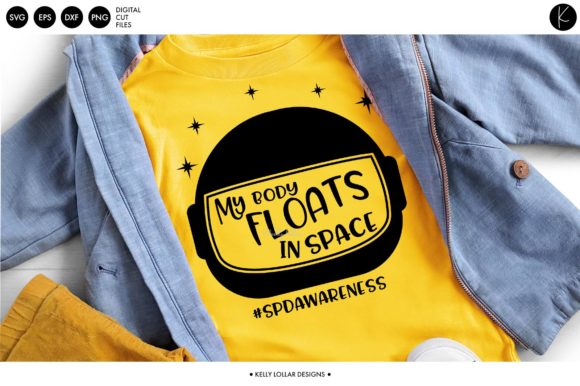
The immediate mood of Sensory Astronaut Helmet is one of gentle exploration. The concept of a body floating in space provides a soft, dreamlike quality that translates well into textile art. Unlike aggressive or high-contrast geometric patterns, this design feels approachable, making it ideal for audiences seeking comfort and representation. The quote, "My Body Floats in Space," paired with the astronaut motif, offers a unique narrative layer. It transforms a standard embroidered item into a personalized gift that acknowledges neurodiversity and sensory processing differences with grace rather than clinical terminology.
From a graphic standpoint, the layout appears balanced. The central helmet shape likely serves as the focal point, drawing the eye inward, while the surrounding text creates a frame that guides the viewer’s attention. For designers, this structure is valuable because it allows for flexible placement on garments and accessories without feeling cluttered. It works equally well as a standalone chest print on a sweatshirt or as a larger feature on a tote bag design where the message can be read clearly.
Real-World Application: From Hoop to Handmade Product
To truly understand the value of this embroidery project, we must look at how it performs in real-life scenarios. I recently considered using this design for a custom order for a boutique client specializing in sensory-friendly apparel. The goal was to create a line of comfortable, inclusive clothing for children and adults who benefit from proprioceptive input.
In this context, Sensory Astronaut Helmet shines. Imagine stitching this onto a soft, brushed cotton hoodie. The astronaut theme resonates with the idea of "floating" or finding peace in movement, which aligns perfectly with the sensory needs of the target audience. The design becomes more than decoration; it becomes a badge of identity. For an Etsy seller or a crafter building a brand around inclusivity, this machine embroidery design offers a ready-made emotional connection that customers respond to positively.
Beyond apparel, this design is versatile enough for home decor and gifts. Picture an embroidered patch applied to a denim jacket, or a stitched version on a kitchen towel for a housewarming gift. The space theme is timeless, avoiding fleeting trends, which means the finished product retains its appeal over time. For holiday embroidery, it serves as a thoughtful alternative to traditional seasonal motifs, offering something unique for those who appreciate subtle advocacy woven into their daily items.
Technical Considerations for Embroidery Designers
While the concept is strong, practical execution requires careful planning. Not every fabric surface is created equal, and Sensory Astronaut Helmet will behave differently depending on the substrate. When working with textured fabrics like heavy canvas or waffle-weave towels, the stability of the stitches becomes paramount. A dense fill stitch might sink into the texture, losing definition. In such cases, using a proper stabilizer—whether cut-away for stretchy knits or tear-away for stable wovens—is non-negotiable to maintain the integrity of the helmet shape.
Thread color contrast is another critical factor. If the design relies on fine details within the helmet visor or small lettering in the quote, dark fabric backgrounds may require lighter thread colors to ensure legibility. Conversely, on light fabrics, darker threads provide sharper definition. I always advise testing the design in black and white mockups first. This helps isolate the composition and ensures that the visual hierarchy holds up regardless of color choices. If the design includes satin stitches for outlines, check that the density is sufficient to cover the underlying fabric completely, preventing any unsightly gaps in the final product.
Where to Use Carefully
There are specific applications where caution is advised. Small hoop sizes can compress intricate details, causing tiny elements of the quote or facial features of the astronaut to merge into indistinct blobs. If you are creating an embroidered patch or a cap front panel, ensure the design scales appropriately. Curved surfaces like baseball caps present challenges for flat, rectangular graphics; the design may pucker if the curvature is too sharp for the digitization. Additionally, avoid placing dense stitch areas directly over seams or layered garments unless you have reinforced the area with additional stabilizer, as the weight of the embroidery can distort the garment’s fit.
Impact on Brand Value and Customer Trust
For craft business owners and digital product sellers, the professionalism of your designs directly impacts buyer engagement. A clean, well-executed embroidery file signals quality. When customers receive a handmade product where the stitching is even, the colors are vibrant, and the message is clear, their trust in your brand increases. Sensory Astronaut Helmet supports this by offering a design that is both visually pleasing and socially aware. It positions the maker as someone who cares about the deeper meaning behind their work, not just the aesthetic.
This design also enhances the perceived value of the finished product. Personalized gifts often command higher prices when they carry a specific message. By combining a cute astronaut graphic with a supportive quote, you elevate the item from a generic novelty to a meaningful keepsake. This is particularly effective for wedding gifts, baby showers, or special occasion presents where the recipient values thoughtfulness. For printable mockups used in online listings, this design photographs well, allowing potential buyers to visualize the emotional impact of the item before purchasing.
Final Verdict and Practical Next Steps
Sensory Astronaut Helmet is a thoughtful addition to any library of design assets. It bridges the gap between fun, space-themed aesthetics and important conversations about sensory processing. Its versatility allows it to shine on custom apparel, tote bags, baby embroidery projects, and home decor items.
Before incorporating this into your commercial workflow, remember to test thoroughly. Stitch out samples on the exact fabrics you plan to use. Check the stitch density to ensure durability through multiple washes. Confirm licensing terms if you intend to sell the finished items, as this affects your ability to monetize the craft business output. By paying attention to these details, you can transform this digital graphic into a tangible, high-quality finished product that resonates with customers and stands out in a crowded marketplace.
- Test on scrap fabric to evaluate thread contrast and tension.
- Verify hoop size compatibility for your intended garment type.
- Use appropriate stabilizers to prevent puckering on stretchy or textured materials.
- Check licensing agreements before selling finished goods or digital previews.
- Consider the target audience’s preference for soft, inclusive messaging.
Ultimately, Sensory Astronaut Helmet is more than just a graphic in the Crafts and Graphics category; it is a tool for connection. Whether you are a hobbyist making a gift for a friend or an Etsy seller expanding your inventory, this design offers a blend of charm, clarity, and purpose that is hard to beat.