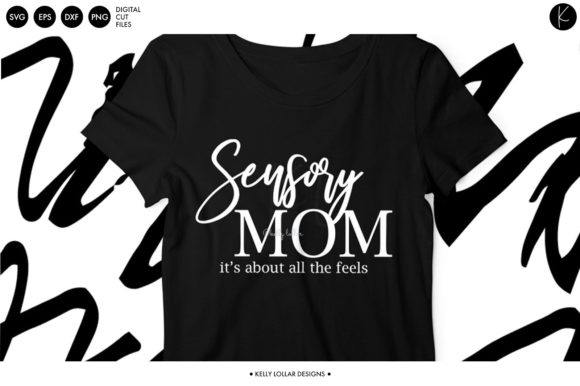
Sensory Mom Embroidery Design Review
As a designer who spends more time than I care to admit scrutinizing stitch density and fabric grain, I don’t just look at an embroidery file; I look at the finished product before it’s even stitched. When evaluating a new machine embroidery design, my first question is always practical: does this hold up in the real world? Does it translate well from screen to fabric, and more importantly, will the end customer love wearing or displaying it?
This week, I put the Sensory Mom design through its paces. Categorized under Crafts and Graphics, this piece isn’t just a decorative element; it carries a narrative weight that resonates deeply with a specific demographic. The core concept revolves around the emotional labor of motherhood, specifically for those navigating sensory processing challenges. With the quote “It’s About All the Feels,” acknowledging the daily balancing act of regulating emotions while moving forward, this design taps into a powerful, authentic vein of modern parenting culture. But does the visual execution support that heavy message? Let’s break down the design, its application potential, and where it shines—or stumbles—in production.
First Impressions and Visual Personality
The immediate appeal of Sensory Mom lies in its balance between sentimentality and boldness. In the crowded marketplace of Etsy seller inventory and small shop product lines, designs often fall into two traps: they are either too cluttered to read from a distance or so minimalist they lose their emotional punch. This design avoids both pitfalls. The layout feels intentional, guiding the eye naturally through the text and any accompanying graphical elements without feeling chaotic.
From a graphic design standpoint, the typography choices appear to prioritize legibility, which is crucial when translating digital assets into physical thread. The phrase “It’s About All the Feels” suggests a softer, perhaps script-based font pairing, which can be tricky in embroidery if the stitch density isn’t managed correctly. However, the surrounding structure seems robust enough to handle the delicate nature of such lettering. The mood created is one of solidarity and quiet strength. It doesn’t scream for attention; it invites a closer look. This makes it ideal for personalized gift scenarios where the recipient needs to feel seen and understood, rather than just decorated.
Real-World Application: The Tote Bag Test
To truly judge an embroidery design, you have to imagine it on an object. For Sensory Mom, my mind immediately went to a custom embroidered tote bag. Why? Because this demographic—the parents of children with sensory needs—is often on the move, advocating, shopping, and managing logistics. A tote bag is a functional canvas that travels with them.
When I visualize stitching this onto a sturdy canvas tote, the design benefits from the flat, stable surface. The contrast between the thread and the natural or colored cotton allows the details to pop. However, I also considered a sweatshirt embroidery application. This is a common request for craft business owners during colder months. The texture of fleece or French terry provides a soft backdrop that complements the nurturing theme of the design. Yet, here lies a critical consideration: stretch. Sweatshirts stretch. If the underlying structure of the Sensory Mom design relies heavily on tight satin stitch borders, it might distort over time with wear and washing. This is why testing on scrap fabric is non-negotiable.
I also evaluated its suitability for baby items. While the theme is about the mom, many buyers purchase these as gifts for the family unit. Stitching this onto a burp cloth or a nursery pillow cover requires a lighter touch. The design must not be too heavy-handed for delicate baby fabrics. If the file includes large areas of fill stitch, it might be too stiff for a newborn’s garment. Conversely, for a toddler’s apron or a kitchen towel, the durability of the stitches becomes less of a concern and more of a feature, allowing for bolder color combinations.
Technical Considerations and Pitfalls
No design is perfect, and understanding the limitations of Sensory Mom is key to maintaining professional standards. One area that requires careful scrutiny is small detail work. Many quotes include smaller subtext or decorative accents. On a curved surface like a cap or hat, these tiny elements can become distorted or lost entirely. If your hoop size constraints force you to scale the design down significantly, you risk losing the nuance of the typography. Always inspect small details in black and white mockups to ensure that the negative space still reads clearly.
Fabric texture is another variable. While this design likely performs beautifully on smooth cottons and linens, textured fabrics like chunky knits or bouclé can hide the intricacies of the stitching. The thread might sink into the weave, muting the colors and blurring the edges. Similarly, dark fabrics require high-contrast thread choices. If the design uses pastel tones, they may disappear against a navy or black background unless a substantial underlay or specific thread weight is used. This is where checking the recommended thread colors provided by the designer becomes essential.
We must also discuss the commercial aspect. For commercial embroidery projects, consistency is everything. If you are producing a batch of 50 identical embroidered patches or tote bag designs, the stability of the design across different machines and operators is vital. Designs that rely on very fine running stitch lines can sometimes break or snag if the tension isn’t perfectly calibrated. Before committing to a large run, test the design on various stabilizers to find the right balance between firmness and flexibility.
Strategic Advice for Sellers and Makers
If you are a digital product seller or a maker looking to expand your offerings, Sensory Mom offers strong potential for differentiation. The niche of sensory awareness is growing, and consumers are actively seeking products that validate their experiences. To maximize engagement, consider how you present this item. Use printable mockup images that show the design in realistic lighting, highlighting the texture of the thread. Show it on a messy kitchen counter, next to a cup of coffee, or being carried by a parent. Context sells emotion.
Furthermore, transparency builds trust. Clearly state the care instructions for the finished product. Embroidery, especially dense designs, can affect the drape and washability of a garment. Advising customers to wash inside out on cold cycles protects both the embroidery and the fabric, enhancing the perceived value of your handmade product.
Finally, always confirm licensing. Whether you are using this as an applique design, a standard digitized file, or incorporating it into larger design assets, ensure you have the rights to sell the finished items. Respecting intellectual property protects your brand reputation and keeps your craft business compliant.
In conclusion, Sensory Mom is a thoughtfully constructed design that bridges the gap between artistic expression and commercial viability. It speaks to a community that values authenticity and resilience. By paying attention to fabric choice, hoop stability, and presentation, you can transform this digital file into a cherished keepsake. It’s not just an embroidery project; it’s a statement piece that deserves to be stitched with care.