My First Trunk or Treat: A Designer’s Review
As an embroidery designer who spends more time than I care to admit staring at stitch patterns and testing thread tensions, I approach every new digital asset with a mix of curiosity and skepticism. The market is flooded with generic holiday graphics, so finding a design that balances aesthetic charm with technical viability is rare. Recently, I pulled My First Trunk or Treat from the Crafts category into my workflow to see if it holds up under the scrutiny of real-world production. This isn’t just another cute graphic; it is a functional embroidery file intended for baby apparel, specifically targeting that sweet spot of "firsts" that drives sales in the handmade niche.
First Impressions and Visual Personality
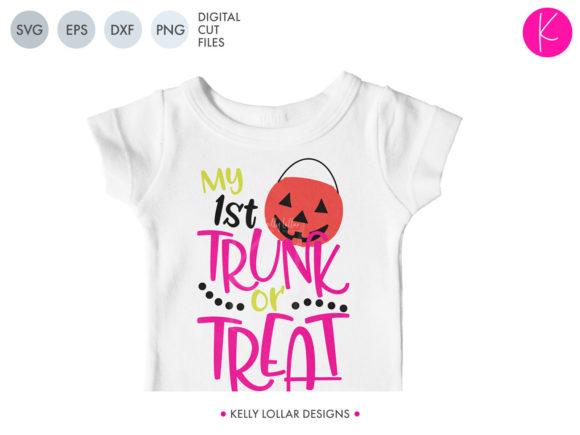
When you first load the design file into your digitizing software, the layout immediately signals its purpose. The core visual is a Jack O’ Lantern bucket paired with playful polka dots and a clear quote. For a designer, the hierarchy of elements is crucial. In this case, the bucket serves as the anchor, while the text provides the emotional hook. The mood is undeniably festive but soft enough for infant wear. It avoids the overly aggressive or dark tones often associated with Halloween, making it perfect for a personalized gift or a boutique baby item.
The inclusion of polka dots adds texture without overwhelming the eye. From a visual appeal standpoint, this design creates a balanced composition that feels complete even when scaled down. It doesn’t rely on complex shading or unrealistic gradients that struggle in thread form. Instead, it leans on clean shapes and recognizable iconography. This clarity is exactly what buyers look for when they are browsing Etsy listings or flipping through catalogues at a craft fair. The design promises a professional finish right out of the hoop.
Real-World Application: The Tote Bag Test
To truly evaluate any machine embroidery design, I need to see how it behaves on actual fabric. My typical test case involves a custom embroidered tote bag or a sweatshirt, as these items present different challenges regarding fabric tension and surface area. I decided to simulate a project for a small shop owner looking to create holiday merchandise.
I placed the design on a mockup of a cotton canvas tote. The contrast between the bright yellow/orange of the pumpkin and the neutral background allowed the details to pop. However, the true test was on a heather grey sweatshirt, a staple for sweatshirt embroidery projects. On this textured fabric, the stitch density of the fill stitches had to be robust enough to cover the weave but not so dense that it caused puckering. The result was surprisingly stable. The Jack O’ Lantern shape held its roundness, and the polka dots remained distinct rather than bleeding into one another. This suggests that the digitizer paid close attention to underlay stitches, which is critical for maintaining the integrity of the finished product.
Baby Apparel and Delicate Fabrics
The primary use case for My First Trunk or Treat is clearly baby clothing, such as bodysuits or onesies. This requires a different mindset than working with heavy denim or canvas. Baby fabrics are thin, stretchy, and sensitive to irritation. When reviewing this design for baby embroidery, I looked closely at the edges of the satin stitches. If the edge work is too rigid, it can scratch a newborn’s skin. In this file, the transitions appear smooth, suggesting a gentle touch suitable for delicate materials. Furthermore, the size of the design is likely optimized for chest placement, ensuring it doesn’t overwhelm the small frame of a toddler. This makes it an excellent choice for custom apparel meant for photoshoots or milestone celebrations.
Technical Considerations and Potential Pitfalls
No design is without its limitations, and being honest about where My First Trunk or Treat might struggle is vital for anyone planning to sell these items. While it performs well on stable woven fabrics, caution is advised in several areas.
- Small Hoop Sizes: If you attempt to digitize this onto a very small cap or a miniature patch, you may lose detail. The lettering and small polka dots could merge together if the hoop size is too restrictive. Always check the minimum recommended dimensions before committing to a tiny garment.
- Stretchy and Textured Fabrics: While it works on heathered blends, highly stretchy knits like jersey require extra stabilizer support. Without proper backing, the running stitch outlines might distort as the fabric stretches. Similarly, thick terry cloth or plush blankets might hide the finer details of the design, making it look muddy.
- Dark Fabric Contrast: If you plan to embroider this on black or navy blue fabric, you must carefully select your thread colors. The white or light-colored elements of the polka dots and text will disappear against a dark background unless you use high-contrast bright threads. Testing your color palette on scrap fabric is non-negotiable here.
- Dense Stitch Areas: The fill stitch used for the pumpkin body needs to be evaluated for stiffness. On a bodysuit, excessive density can make the fabric feel like cardboard. If the design feels too stiff after stitching, consider reducing the density slightly in your software, provided it doesn’t compromise coverage.
Impact on Brand and Sales
For Etsy sellers and craft business owners, the difference between a good design and a great one often comes down to perceived value. My First Trunk or Treat elevates the perceived quality of a handmade product because it looks intentional and polished. Customers trust designs that show clean lines and consistent tension. When a buyer sees a crisp Jack O’ Lantern bucket on a onesie, they associate that clarity with professionalism. This builds brand consistency and encourages repeat purchases.
Additionally, the seasonal nature of the design allows for strategic inventory planning. It fits perfectly into the Q4 rush for holiday gifts and Trunk or Treat events. By offering this as part of a bundle—perhaps paired with a matching bib or hat—you increase the average order value. The versatility of the graphic also means it can be adapted for other products, such as kitchen towels or pillow covers, allowing you to maximize the utility of this single digital embroidery file.
Practical Tips for Execution
To ensure the best results when using this design, follow these practical steps derived from my own studio practices:
- Test on Scrap Fabric: Never run a full production batch without a test stitch-out. This helps you identify any threading issues or hooping problems early.
- Check Stabilizer Choice: Use a cut-away stabilizer for knit fabrics to prevent distortion over time, especially for items that will be washed frequently. A tear-away may suffice for temporary displays or heavier wovens.
- Review in Black and White: Convert your mockup to grayscale to check contrast levels. If the design lacks definition in black and white, it will likely struggle in color too.
- Confirm Licensing: Before listing any commercial embroidery items for sale, verify the license terms included with the download. Ensure you have the rights to sell finished goods made from the design.
Final Verdict
My First Trunk or Treat is a solid addition to any designer’s library for the autumn season. It strikes a careful balance between thematic relevance and technical execution. While it demands respect for fabric choice and stabilizer usage, particularly on delicate baby items, the payoff is a charming, marketable product that resonates with customers. Whether you are creating a one-off personalized gift for a family member or building a line of small shop products for online retail, this design offers the reliability and aesthetic appeal needed to succeed. Just remember to test thoroughly, manage your expectations regarding fabric texture, and let the quality of the stitching speak for itself.