Lucky and I Gnome It: A Designer’s Review
As a designer who spends more time staring at stitch charts than sleeping, I have learned to be skeptical of any graphic that claims to be "perfect" for everything. However, when evaluating digital assets for real-world application—whether for a personal gift or a boutique inventory run—the devil is always in the details. Recently, I took a close look at Lucky and I Gnome It PNG, JPG, PDF, a sublimation-style design marketed heavily around St. Patrick’s Day themes. While it originates as a print-ready graphic, my interest lies in how this specific visual translates into physical form through embroidery. Can a design born from ink on paper hold its own when converted into thread? Does it offer enough structural integrity for a reliable machine embroidery workflow, or is it purely decorative fluff?
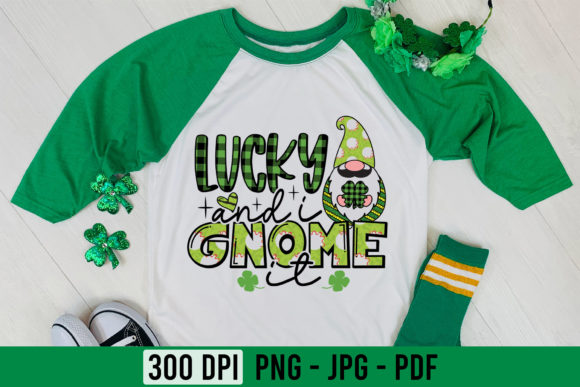
The immediate first impression of Lucky and I Gnome It PNG, JPG, PDF is one of playful nostalgia. The quote itself taps into a cultural moment that has remained popular for years, but the execution is what matters here. Visually, the layout relies on strong contrast between the typography and the gnome iconography. For an embroidery designer, this high-contrast separation is a green flag. It suggests that when digitized, the design will likely maintain clear boundaries between the text and the graphical elements, reducing the risk of muddiness in dense stitch areas. The mood is festive but not overly chaotic, making it suitable for a wide range of handmade products without feeling like a novelty item that will fade from relevance by next year.
Real-World Application: From Screen to Stitch
I recently used this design concept as a test case for a custom embroidered tote bag project intended for a local craft fair. The goal was to create a durable, reusable accessory that doubled as a conversation starter. When mapping out the placement on a canvas tote, the balance of Lucky and I Gnome It PNG, JPG, PDF proved effective. The central focus allows for a generous hoop size, which gives the embroiderer room to work with various fill stitches and satin borders without feeling cramped.
This versatility extends beyond totes. Because the design is inherently graphic, it translates exceptionally well to sweatshirt embroidery. Imagine this centered on the chest of a heather grey crewneck; the clean lines of the quote would pop against the textured fabric, while the gnome element adds a tactile focal point. It also works beautifully for apron designs in a kitchen setting. The humor is family-friendly, making it an ideal personalized gift for housewarmings or holiday exchanges. For those selling on platforms like Etsy, this design offers a low-risk entry point because it appeals to a broad demographic interested in seasonal decor and wearable art.
Furthermore, the adaptability of this graphic makes it a strong candidate for embroidered patches. By adding a sturdy backing and a clean satin border, the design can be detached and applied to denim jackets, backpacks, or beanies. This flexibility increases the perceived value of the handmade product, allowing you to market a single digital asset across multiple physical categories, from baby embroidery items like christening gowns to adult-focused custom apparel.
Technical Considerations and Potential Pitfalls
However, no design is without its challenges, and Lucky and I Gnome It PNG, JPG, PDF requires careful handling during the digitization process. The primary concern lies in the smaller details. If the original graphic contains fine lines or tiny text elements, these can become lost in the stitching if the stitch density is not managed correctly. Embroidery machines struggle with extreme thinness; lines that look crisp on a screen may break or merge when stitched with standard polyester threads.
I strongly advise testing this design on scrap fabric before committing to your final piece. Pay close attention to the corners of the gnome hat and any serifs in the lettering. These are common failure points where thread tension issues can cause puckering or distortion. Additionally, consider the fabric texture of your base material. On highly textured fabrics like heavy tweed or loose-weave linen, the definition of the design may soften significantly. In such cases, you might need to adjust the thread colors to ensure sufficient contrast, perhaps opting for a darker thread shade against a lighter background to maintain legibility.
Another critical factor is the hoop size. While the design fits comfortably in medium hoops, attempting to squeeze it into a small hoop (4x4 inches or less) may require significant resizing. Resizing too much can alter the aspect ratio, stretching the gnome’s features unnaturally or compressing the text to the point of unreadability. Always confirm the hoop size limitations of your digitizing software before beginning the conversion process.
Strategic Placement for Maximum Impact
To get the most out of this design, strategic placement is key. Avoid placing it on curved surfaces like baseball caps unless you are using a specialized cap frame and have pre-tested the stability of the stitches. Curved surfaces introduce variable tension that can warp flat graphics. Similarly, be cautious with stretchy fabrics like spandex blends. Without proper stabilizer support, the fill stitch areas can distort the garment, leading to a wavy appearance that detracts from the professional finish.
For best results, use this design on stable, woven fabrics such as cotton twill, denim, or fleece. These materials provide the necessary structure to support the weight of the thread and maintain the sharpness of the satin stitch edges. When preparing mockups for your Etsy seller listings or online store, ensure that the lighting highlights the texture of the embroidery. A flat digital image does not convey the quality of the stitch work; showing the raised dimensionality helps build customer trust and justifies a higher price point for your finished product.
Final Verdict for Craft Business Owners
Ultimately, Lucky and I Gnome It PNG, JPG, PDF is a solid choice for designers looking to capitalize on seasonal trends without sacrificing aesthetic quality. Its clear composition and recognizable theme make it an accessible entry point for both novice and experienced embroiderers. It serves as a versatile digital embroidery file that can anchor a collection of craft business items, from kitchen towels to nursery decor.
Before purchasing or downloading, however, remember to verify the licensing terms. Ensure that the file allows for commercial use if you plan to sell the finished embroidered goods. Also, inspect the source files for clarity; a high-resolution PNG or vector-based PDF is preferable to avoid pixelation during the tracing or digitizing phase. By approaching this design with a critical eye and proper technical preparation, you can transform a simple sublimation graphic into a premium, marketable embroidery project that resonates with customers and stands up to the rigors of everyday use.