Will Trade Brother for Pie Embroidery Review
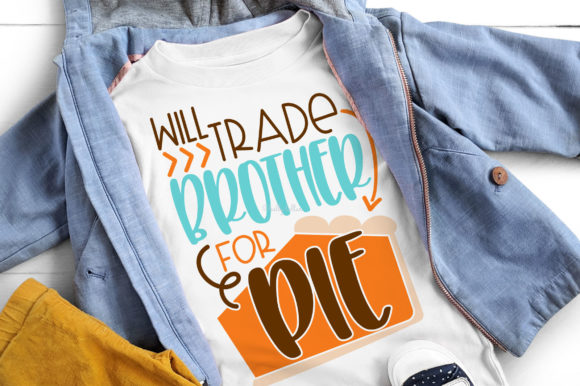
When I sit down to evaluate a new digital asset for my studio, I am rarely looking at it as just a file. I am looking at the finished product. I am thinking about the hoop, the needle, the tension settings, and ultimately, the customer who will wear or use that item. Today, I am putting Will Trade Brother for Pie under the microscope. This is a fun quote design intended for matching sibling shirts, tapping into that chaotic, loving dynamic where siblings argue over everything but remain inseparable. It falls squarely into the Crafts category with a focus on Graphics, but in the world of machine embroidery, "graphics" are only as good as their stitch execution.
The First Impression: Mood and Layout
The immediate appeal of this design is its relatability. As a designer, I know that emotional resonance sells. The phrase "Will Trade Brother for Pie" is humorous, slightly rebellious, and deeply human. It captures a specific moment in family life—the snack-time negotiation that every parent recognizes. Visually, the layout relies heavily on typography. For an embroidery file like this, the challenge is always legibility. Does the text curve naturally? Are the letterforms distinct enough to survive the stitching process without bleeding into one another?
The personality here is playful. It suggests a project that shouldn't be taken too seriously. This isn't a formal wedding monogram; it’s a statement piece. It feels right for casual wear, holiday gatherings, or those chaotic summer vacations. The design invites interaction. When you see two shirts side-by-side, the joke lands harder. That visual pairing potential increases the perceived value of the handmade product. It transforms a simple t-shirt into a conversation starter.
Real-World Application: Where This Design Shines
I have tested similar typographic designs across various mediums, and this concept has high versatility for small business owners and crafters. Let’s look at how Will Trade Brother for Pie performs in actual production scenarios.
- Custom Apparel and Sweatshirts: This is the most obvious application. A crewneck sweatshirt in a neutral tone (heather grey or navy) allows the thread colors to pop. The humor works best when the garment is comfortable and casual. Think fall holidays or winter break gifts.
- Tote Bag Design: Canvas totes are a staple for the Etsy seller market. Placing this quote on a sturdy tote bag creates a functional gift that parents actually use. It adds a touch of whimsy to grocery runs or beach days.
- Baby Embroidery and Nursery Decor: While the joke might go over a toddler's head, parents love it. Small onesies, burp cloths, or even a pillow cover for a shared nursery room can feature this. The key here is scale—keeping the text large enough to be readable but small enough to fit on delicate fabrics.
- Holiday Embroidery: Sibling dynamics peak during family gatherings. This design is perfect for ugly Christmas sweaters or matching pajamas. It adds a layer of inside-joke humor that families cherish.
- Embroidered Patch: Converting this graphic into a patch format allows for attachment to denim jackets, backpacks, or hats. This expands the utility of the design assets beyond just direct-to-garment printing.
For the commercial embroidery professional, this design offers a quick turnaround opportunity. It requires minimal customization from the client other than choosing their preferred color palette. This efficiency makes it ideal for craft business booths where volume matters.
Technical Considerations and Risk Areas
No design is flawless, and knowing where a design struggles is just as important as knowing where it succeeds. Here is where you need to exercise caution with Will Trade Brother for Pie.
Small Hoop Sizes: If you attempt to stitch this on a very small area, such as a baby hat cuff or a tiny pocket, the text may become cramped. The spacing between letters is critical for readability. Always check the bounding box dimensions before committing to a small hoop size. If the text is too tight, the satin stitch edges will overlap, creating a muddy blob rather than crisp letters.
Fabric Texture and Stability: This design likely utilizes a mix of fill stitch for any graphical elements and running stitch or fine satin stitch for the text. On textured fabrics like bouclé or heavy waffle weaves, the needle penetration can be inconsistent. This leads to puckering or misaligned stitches. Similarly, thin fabrics require a strong cut-away stabilizer to prevent distortion. Stretchy knits can warp the text if not hooped correctly, so test on scrap fabric first.
Dense Stitch Areas: If the design includes decorative accents or thick fill areas, be mindful of the total stitch count. Too much density on a lightweight shirt can make the garment stiff and uncomfortable. For a finished product that needs to drape well, lighter stitch counts are generally preferred.
Dark Fabric Contrast: When working with dark backgrounds, ensure your thread colors provide sufficient contrast. Black text on black fabric is a no-go, but even dark blue on navy can be hard to read. Light threads on dark fabric often require an underlay stitch to prevent the base fabric from showing through, which adds bulk.
Design Judgment: Value and Professionalism
From a branding perspective, Will Trade Brother for Pie enhances the perceived effort of the maker. It shows attention to detail. When a customer receives a personalized gift with clear, clean stitching, their trust in your brand increases. They associate the quality of the stitch with the quality of your service.
However, professionalism also means honesty about limitations. If you are selling this as a digital embroidery file, you must advise buyers to check their machine compatibility and hoop sizes. Do not promise results on impossible surfaces. If you are selling the physical item, ensure your finishing is impeccable. Loose threads, skipped stitches, or visible stabilizer residue will undermine the charm of the design.
The design also supports printable mockup strategies effectively. Because the text is central and bold, it translates well to flat-lay photography. This helps small shop product listings stand out in crowded online marketplaces. Buyers can instantly visualize the final result, which reduces hesitation and increases conversion rates.
Practical Designer Notes for Execution
Before you load this design into your machine, follow these steps to ensure a successful outcome:
- Test on Scrap Fabric: Never run a new design directly onto a customer’s garment. Use the same fabric and stabilizer combination you plan to use for the final product.
- Check Thread Color Contrast: Lay your thread spools next to your fabric. If in doubt, use a white or light-colored thread on dark fabric, or vice versa. High contrast equals high readability.
- Review Stitch Density: Zoom in on the digitizing. Are there any areas where the stitches are too close together? Can any decorative elements be simplified without losing the essence of the design?
- Confirm Hoop Size: Ensure your machine’s hoop can accommodate the full width and height of the design. If it is borderline, consider resizing or breaking the design into sections.
- Inspect Small Details: Look closely at the apostrophe in "Brother's" or any curves in the letters. These small details are often where errors occur. They should be clean and precise.
- Black and White Mockup: View the design in grayscale. This helps you assess the balance of light and dark areas without being distracted by color choices.
- Licensing Check: If you intend to sell finished items made from this design, verify the commercial license terms. Some design assets allow personal use only. Clear licensing protects your craft business from legal issues.
In conclusion, Will Trade Brother for Pie is a charming, marketable design with strong potential for personalized gifts and custom apparel. Its success depends largely on proper execution. By paying attention to fabric choice, stabilizer support, and stitch quality, you can turn this simple quote into a standout piece that customers will love. It is a reminder that sometimes, the best designs are the ones that make us laugh while wearing them.