Plant Grow Bloom- Spring Embroidery Review
As a designer who spends more time staring at stitch charts and fabric swatches than actually sleeping, I approach every new embroidery file with a mix of optimism and skepticism. The market is saturated with clipart that looks fine on a screen but falls apart under the needle. This is why I treat every design evaluation as a stress test for real-world application. Today, I am putting Plant Grow Bloom- Spring through its paces to see if it truly deserves a spot in my digital library or if it should remain buried in the "maybe later" folder.
This piece is categorized under Crafts and Graphics, described as an elegant quote for the Spring season. While the description hints at versatility across mediums like vinyl decals and card making, my focus here is strictly on machine embroidery. Does this design translate well from a static image to a textured, dimensional handmade product? Let’s dive into the practical realities of stitching this out.
First Impressions: Mood and Visual Personality
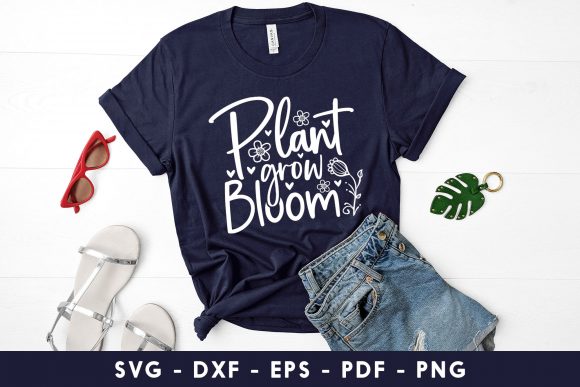
The moment you load Plant Grow Bloom- Spring into your digitizing software, the layout speaks volumes. It isn’t just text; it is a composition. The word "elegant" in the product description is accurate, but it feels understated. What we are looking at is a design that balances typography with organic, botanical elements. It evokes a sense of renewal and calm, which is exactly what consumers are gravitating toward right now in the handmade space.
Visually, the design avoids the cluttered look that plagues many spring-themed files. There is breathing room between the letters and the floral accents. For an Etsy seller or a small shop owner, this clarity is gold. It means the design will read easily on a finished item without looking messy or rushed. The visual personality is soft yet structured, making it suitable for a wide range of demographics, from young mothers looking for nursery decor to professionals seeking subtle workplace accessories.
Real-World Application: Where This Design Shines
I have spent years testing designs on various substrates, and Plant Grow Bloom- Spring shows remarkable adaptability. Here is how it performs in specific, high-demand scenarios:
- Custom Apparel and Sweatshirt Embroidery: On a heavyweight cotton sweatshirt, this design anchors beautifully. The contrast between the soft floral curves and the sturdy knit fabric creates a premium feel. It works exceptionally well on the chest area of a crewneck or centered on the back of a hoodie for a statement piece.
- Tote Bag Design: Canvas totes are a staple for craft fairs and boutique branding. Because this design has a balanced width, it fits perfectly within standard hoop sizes on tote bags without feeling cramped. The spring theme resonates strongly with shoppers looking for seasonal gifts.
- Baby Embroidery and Nursery Decor: The gentle aesthetic makes this ideal for baby clothes, bibs, and blanket edges. Parents are often wary of designs that are too loud or aggressive; this one offers a soothing presence that aligns with modern nursery trends. It also translates well to pillow covers and wall hangings for home decor.
- Personalized Gifts and Holiday Embroidery: While clearly spring-focused, the "bloom" motif is versatile enough for Easter gifts, Mother’s Day presents, or bridal shower favors. The elegance of the quote allows it to be personalized with names or dates without losing its core appeal.
When you view this as a digital embroidery file for commercial use, think about the end customer. They aren't buying stitches; they are buying a feeling of freshness and care. This design delivers that emotion effectively.
Technical Considerations and Stitch Analysis
Before committing to a production run, any experienced embroiderer knows that theory must meet practice. Here is what you need to watch out for when working with Plant Grow Bloom- Spring.
Stitch Density and Clarity: The design relies heavily on clean lines and moderate fill areas. However, you must check the stitch density in your software. If the density is too high, the fabric may pucker, especially on lighter materials. If it is too low, the backing might show through. Ensure the satin stitch edges around any lettering or leaf outlines are crisp. A common mistake is letting the satin stitches become too thick, which can distort the shape of delicate flowers.
Fabric Texture and Choice: This design performs best on stable, woven fabrics. Cotton, linen, and canvas are your safest bets. Avoid highly textured fabrics like bouclé or loose-weave knits unless you are prepared for significant stabilization challenges. The intricate details of the blooms may get lost in a rough weave. Similarly, while stretchy fabrics like jersey can work, they require a strong cut-away stabilizer to prevent distortion during the hooping process.
Hoop Size Constraints: Always verify the hoop size required by the file. If the design exceeds your machine’s maximum hoop dimensions, you will need to reposition it or split it, which can affect the final look. For smaller projects like caps or hats, ensure the curve of the design follows the contour of the garment naturally. Flat surfaces like aprons or tea towels offer the most forgiving canvas for this type of layout.
Where to Use Caution
Not every surface is created equal. Be cautious when attempting to stitch this design on dark fabrics without adequate thread coverage. You may need to add an underlay or a light-colored base layer to prevent the dark fabric from showing through the lighter threads. Additionally, avoid using this on tiny areas where detail loss is inevitable. If you are shrinking the design down for a small patch or a button, inspect the smallest details closely. Tiny running stitches can break or merge together, ruining the legibility of the quote.
Practical Designer Notes for Success
To get the most out of Plant Grow Bloom- Spring, follow these professional tips before you start stitching:
- Test on Scrap Fabric: Never go straight to the final product. Run a test stitch on a scrap piece of the same fabric type. This reveals issues with tension, thread breaks, or color clashes early.
- Check Thread Color Contrast: The elegance of the design depends on color harmony. Test your chosen thread colors against the fabric. High contrast ensures readability, while low contrast can create a sophisticated, tonal look—just make sure it doesn’t disappear.
- Review Black and White Mockups: Convert your design preview to black and white. This helps you assess the balance of light and dark areas (stitch density) without being distracted by color. It highlights potential heavy spots that might cause puckering.
- Use Proper Stabilizer: The choice of stabilizer is critical. For woven fabrics, tear-away may suffice. For knits or stretchy materials, a cut-away stabilizer is non-negotiable to maintain stability over time.
- Confirm Licensing: Before listing this as a small shop product or selling finished items, double-check the license terms. Some files are for personal use only, while others allow commercial sales of the physical goods. Clarifying this protects your business legally.
Final Verdict
Plant Grow Bloom- Spring is a solid addition to any embroiderer’s collection. It is not flashy or overly complex, but that is its strength. It is reliable, aesthetically pleasing, and versatile enough for everything from custom apparel to delicate baby items. It respects the medium of embroidery by avoiding unnecessary complexity while still delivering visual impact.
For designers looking to expand their craft business offerings with seasonal items, this design offers a low-risk, high-reward option. It appeals to a broad audience and holds up well to the scrutiny of real-world use. Just remember to respect the technical limitations of your machine and materials, and this design will serve you—and your customers—very well.