Plaid Pumpkin Lover Review
As a designer who spends half my day staring at stitch charts and the other half worrying about whether a client’s budget allows for premium thread, I don’t just look at an embroidery design; I look at its potential. When Plaid Pumpkin Lover landed on my desk, it didn’t scream “flashy trend.” Instead, it whispered comfort. It felt like a crisp autumn morning, a flannel shirt, and a cup of hot cider all wrapped into one digital file. For those of us in the Crafts and Graphics spaces, finding designs that balance aesthetic charm with practical stitching viability is rare. This review breaks down exactly how this piece holds up when moved from the screen to the hoop.
The First Impression: Mood and Visual Personality
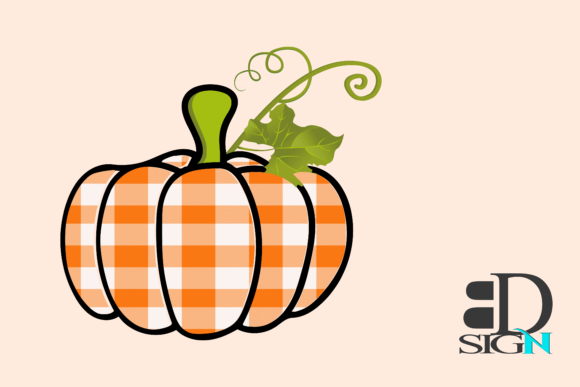
The moment you open the file, the theme is undeniable. We are dealing with a classic fall motif, but the execution here leans heavily into texture and pattern rather than complex shading. The title, Plaid Pumpkin Lover, sets the stage perfectly. It isn’t trying to be a hyper-realistic botanical illustration; it is designed to evoke a feeling. The visual personality is cozy, rustic, and inviting. It captures that specific "hygge" vibe that drives so much of the holiday craft market right now.
From a layout perspective, the design feels balanced. It has enough negative space to breathe but enough detail to hold attention. This is crucial for embroidery because unlike print, every inch of fabric is occupied by thread. A cluttered design can become a muddy mess after stitching, but this one appears to have a clear hierarchy. It suggests a finished product that feels intentional and polished, which is exactly what customers expect when they pay for handmade goods.
Real-World Application: Where Does This Design Shine?
I always ask myself: where would I actually wear or use this? If I were building a collection for my own small shop, Plaid Pumpkin Lover immediately jumps out as a star candidate for custom apparel. Specifically, I see this thriving on sweatshirt embroidery projects. The chunky nature of plaid patterns translates beautifully to medium-density fill stitches on fleece or heavy cotton blends. It adds a tactile dimension that flat prints simply cannot match.
Beyond apparel, this design is a natural fit for home decor items. Imagine this stitched onto a neutral linen tea towel or a soft throw pillow cover. The contrast between the structured geometric lines of the plaid and the organic curve of the pumpkin creates a dynamic visual interest that works well in kitchen and living room settings. It also performs exceptionally well as an embroidered patch. Whether attached to a denim jacket or a canvas tote bag design, it acts as a badge of seasonal style.
For the Etsy seller or the crafter looking to capitalize on holiday gifting, this is a versatile asset. It fits seamlessly into personalized gift categories. Think baby embroidery for a nursery blanket—soft pastels combined with this design could create a unique gender-neutral option—or perhaps a wedding gift for a couple who loves autumn weddings. The versatility extends to commercial embroidery projects where brand consistency is key; the design is recognizable without being overly niche.
Technical Considerations and Stitch Behavior
Here is where the rubber meets the road. As a reviewer, I need to know if the design will actually stitch out cleanly. The interplay of plaid and pumpkin shapes requires careful attention to stitch density. Plaid patterns often rely on intersecting lines, which means we are likely looking at a mix of satin stitch for outlines and fill stitch for the blocks of color. If the density is too high, the fabric may pucker, especially on lighter materials.
This brings us to the importance of the stabilizer. For this type of design, a cut-away stabilizer is almost certainly necessary to maintain the integrity of the plaid lines over time. If you are working on stretchy fabrics like jersey knits for t-shirts, you must ensure your hooping technique is secure to prevent distortion. The running stitch elements, if present for detailing, should be checked for clarity against the background fabric.
Thread colors are critical here. The success of a plaid pattern relies entirely on the contrast between the intersecting threads. If your thread selection lacks sufficient contrast, the pattern will vanish into a single blob of color. I recommend testing multiple thread combinations before committing to a large production run. Also, consider the base fabric color. On dark fabric, you might need an underlay stitch to make the colors pop, whereas on light fabric, the design might appear softer and more muted.
Where to Use Caution
While this design has broad appeal, there are certain scenarios where it might struggle. Small hoop sizes are a primary concern. If the plaid details are intricate, shrinking the design down could result in lost definition. The tiny corners of the plaid squares might merge together, creating a jagged or unclear edge. Similarly, textured fabrics like boucle or thick chenille can obscure the fine details of the design, making it look messy rather than charming.
Curved surfaces, such as caps or hats, present another challenge. While the pumpkin shape is forgiving, the straight lines of the plaid can distort significantly around the curve of a cap front. Unless you have a skilled operator who knows how to manipulate tension and hooping on curved surfaces, this design might look warped. Additionally, avoid using this on thin, delicate fabrics without proper support, as the weight of the fill stitches could cause tearing or sagging over time.
Impact on Product Value and Customer Trust
In the world of handmade products, presentation is everything. A well-executed embroidery design signals quality. When a customer sees Plaid Pumpkin Lover stitched cleanly on a high-quality garment, it reinforces the value of the item. It tells them that care was taken. This directly impacts buyer engagement and trust. People are willing to pay a premium for items that feel personal and professionally made.
Furthermore, this design supports strong branding for creative entrepreneurs. It is distinctive enough to stand out in a sea of generic clip art but familiar enough to be instantly recognizable as fall-themed. This balance helps in creating a cohesive line of products, whether you are selling digital embroidery files or physical finished products. Consistency in design quality builds a reputation that leads to repeat business.
Practical Designer Notes for Success
Before you rush to your machine, take these steps to ensure the best outcome:
- Test on Scrap Fabric: Never skip this step. Stitch the design on the exact fabric you plan to use. This reveals issues with puckering, thread breakage, or color clashes that you cannot see on a computer screen.
- Check Stitch Density: Zoom in on the design file. Are there areas where the stitches are too close together? If so, you may need to adjust the settings or choose a lighter stabilizer.
- Review Thread Contrast: Lay out your thread spools next to the fabric. Ensure the plaid colors stand out clearly against each other and the background.
- Inspect Small Details: Look closely at the edges and corners. Are they sharp, or do they look fuzzy? Adjust the trim settings if necessary.
- Black and White Mockup: Convert the design to black and white to check the balance of light and dark areas. This helps identify if any section is too heavy or too sparse.
- Confirm Licensing: If you intend to sell finished items, double-check the license terms of the digital embroidery file. Some designs are for personal use only, while others allow commercial sales. Knowing this upfront protects your craft business.
In conclusion, Plaid Pumpkin Lover is a solid addition to any embroiderer’s library. It offers a perfect blend of seasonal charm and practical design structure. By paying attention to fabric choice, stabilizer use, and thread contrast, you can transform this simple graphic into a stunning, high-value product that customers will love. It is not just a design; it is a tool for creating memorable, handmade experiences.