Leg Day, Baby Embroidery Review
When I’m evaluating a new machine embroidery design, my first instinct is always to ask: does this actually work in the hoop? As someone who spends hours digitizing and stitching for clients, I’ve learned that a clever concept doesn’t always translate well into thread. That’s why I take a close look at every file before it goes into production. Today, I’m breaking down the Leg Day, Baby design, a humorous graphic featuring turkey thighs that promises to be a hit for seasonal apparel. But will it hold up as a serious commercial product or just a fun hobbyist project? Let’s dive into the practical realities of using this design.
First Impressions and Visual Personality
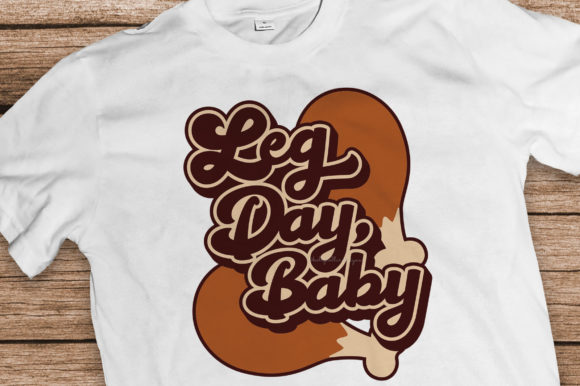
The moment you open the file for Leg Day, Baby, the mood is immediately clear. It’s playful, irreverent, and undeniably festive. The core visual—a pair of stylized turkey thighs paired with the bold text "Leg Day, Baby"—creates a perfect storm of holiday humor and fitness culture irony. For an embroidery designer, the challenge here is balancing the cartoonish nature of the turkey legs with the legibility of the quote.
Visually, the design feels heavy on character. The shape of the turkey thighs suggests a need for substantial fill coverage, which gives the piece weight and presence on fabric. This isn’t a delicate lace motif; it’s a statement piece. The layout appears centered and balanced, making it versatile for various placements. Whether you are aiming for a classic chest print on a sweatshirt or a large focal point on a tote bag, the composition has enough visual gravity to stand alone without looking lost. It screams "fun," but it also carries a level of polish that suggests it was created with actual garment construction in mind, rather than just slapped together as a quick digital asset.
Real-World Application: Where Does It Shine?
I recently had a scenario where a client wanted a unique gift for their brother-in-law who loves both Thanksgiving and the gym. They needed something they could wear to the family dinner without being too cheesy. This is exactly where Leg Day, Baby fits perfectly. Here is how I see this design performing across different categories of handmade products:
- Holiday Apparel: This is the natural home for this design. On a heather grey or black crewneck sweatshirt, the contrast pops beautifully. It works equally well as a sweatshirt embroidery piece for those crisp autumn weekends. The humor lands better when the fabric has some texture to it, adding depth to the thread colors.
- Custom Tote Bags: A canvas tote with this design is an instant conversation starter at craft fairs or farmers markets. The sturdy fabric can handle the density of the turkey thigh graphics without puckering, provided you use the right stabilizer. It transforms a basic accessory into a handmade product with personality.
- Kitchen and Home Decor: Don’t overlook tea towels or aprons. For a hostess gift, embroidering this onto a thick cotton kitchen towel adds a touch of whimsy to the holiday gathering. It’s a personalized gift idea that feels thoughtful yet lighthearted.
- Etsy Seller Inventory: For the Etsy seller or small shop owner, this design offers high commercial potential during Q4. It’s niche enough to appeal to specific buyers (fitness enthusiasts + holiday lovers) but broad enough to have mass appeal. Creating printable mockups of this design on various garments can drive significant traffic to your listings.
Technical Considerations and Stitch Quality
As a reviewer, I have to look past the joke and examine the stitch work. The turkey thighs likely utilize a combination of fill stitch for the main body and satin stitch for outlines or details like the drumstick bones. If the stitch density is too high, the fabric might pucker, especially on lighter materials. Conversely, if it’s too sparse, the design will look thin and cheap.
One critical factor is the text. "Leg Day, Baby" needs to be sharp. If the lettering is too small or relies on intricate details, it may become illegible after washing. I always advise checking the smallest elements in a black and white mockup to ensure contrast remains strong. The font choice here seems bold and sans-serif, which is a smart move for embroidery. Thin serifs or script fonts often fray or break during the stitching process, but a blocky, impactful font ensures longevity and clarity.
For the turkey imagery, pay attention to how the curves are handled. Smooth curves require careful underlay stitching to prevent the fabric from shifting. If you are planning to sell these items, you need to be confident that the final finished product looks professional. A sloppy edge on a turkey leg can make a great design look amateur. Testing the design on scrap fabric first is non-negotiable. You need to see how the thread colors interact with your chosen fabric texture before committing to a customer order.
Fabric and Stabilizer Choices
The success of this project hinges largely on what you stitch it onto. Heavier fabrics like fleece, denim, or thick canvas provide the best support for the dense areas of the design. However, you must use a high-quality cut-away stabilizer to prevent distortion over time. If you attempt this on a stretchy jersey knit without proper stabilization, the hoop marks will remain, and the design may distort after the first wash.
Thread color selection is also vital. While the description mentions turkey thighs, you’ll need to choose threads that mimic the roasted color palette—golden browns, deep oranges, and perhaps some white for highlights. Using standard primary colors might make it look too cartoonish unless that’s the specific aesthetic you’re going for. Matching the thread tone to the intended "roasted" look elevates the design from a novelty item to a stylish seasonal piece.
Where to Use It Carefully
Not every surface is suitable for Leg Day, Baby. There are certain scenarios where this design might struggle:
- Small Hoop Sizes: If you are trying to fit this into a tiny 4x4 hoop, the details may get cramped. Ensure your hoop size accommodates the full width of the turkey legs and the text without cutting off any essential elements.
- Curved Surfaces: While caps and hats are popular, applying a wide, rectangular design like this to a curved brim or crown can be tricky. The tension needs to be adjusted carefully to avoid bubbling. It might work better as a flat patch sewn onto a cap rather than stitched directly onto the curve.
- Delicate Fabrics: Avoid using this on thin silks or lightweight linens. The weight of the fill stitches will likely pull and warp the material. Stick to medium-to-heavy weight fabrics for the best results.
- High-Wash Items: If you are making baby clothes or frequently washed kitchen towels, ensure the design is anchored well. Repeated washing can loosen loose threads in dense areas. A good finishing technique, such as trimming excess stabilizer and pressing properly, is crucial for durability.
Final Verdict for Designers and Sellers
Leg Day, Baby is more than just a funny quote; it’s a well-conceived graphics element that translates effectively into thread. It captures a specific cultural moment—the intersection of holiday tradition and modern fitness humor—in a way that feels fresh and marketable. For the craft business owner, this design offers a low-risk, high-reward opportunity for seasonal inventory. It’s not overly complex, meaning it won’t tie up your machine for hours, yet it delivers high perceived value to the end user.
Before you start mass-producing, remember to verify the licensing terms if you plan to sell the finished goods commercially. Some digital embroidery files come with personal-use-only restrictions. Assuming you have the rights, this design is a solid addition to your library. It works beautifully for custom apparel, gifts, and boutique branding. By paying attention to fabric choice, stabilizer usage, and thread contrast, you can turn this simple concept into a professional, best-selling item that customers will be proud to wear or display. It’s a reminder that sometimes the best designs aren’t the most intricate ones, but the ones that make people smile while they wear them.