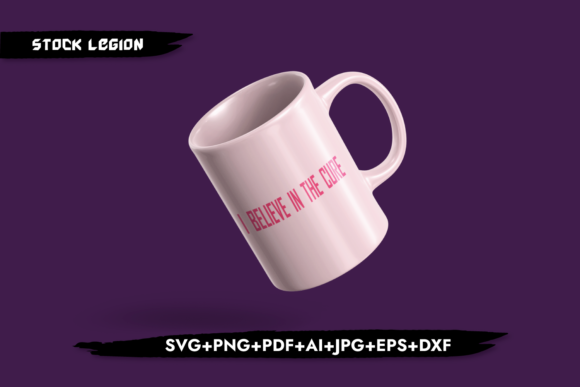
I Believe in the Cure Embroidery Review
When I first downloaded the I Believe in the Cure design assets, my initial thought was practical rather than emotional. As a designer who evaluates digital files for real-world application, I don’t just look at the font choice; I look at how it will translate from a screen to fabric. This is a Crafts and Graphics product that falls squarely into the category of meaningful, message-driven embroidery. It is not merely decorative; it is declarative. For those of us in the handmade industry, creating items that carry weight—both literally and figuratively—is often what separates a generic commodity from a cherished keepsake.
The package includes a ZIP file with smooth, professional files: an SVG, PNG, PDF, and JPEG, all set against a transparent background at 300 dpi. While these are technically cut files as well, my focus here is strictly on their viability as a machine embroidery design or a reference for digitizing. The clarity of the vector paths in the SVG suggests clean lines, which is the single most important factor when deciding if a quote-based design will stitch out cleanly without pilling or distortion.
First Impressions and Visual Personality
The phrase "I Believe in the Cure" carries a specific mood. It is hopeful, resilient, and supportive. Visually, this translates to a design that needs to be legible but also gentle enough to fit on intimate apparel or nursery items. When you look at the layout, the balance between the text and any accompanying graphic elements (if present in the specific version used) dictates its versatility. In this case, the strength lies in the typography itself. It feels modern yet timeless, avoiding trends that might date a finished product within a year.
For a boutique owner or an Etsy seller, this visual personality opens up several high-value niches. It fits naturally into the realm of awareness ribbons, cancer support groups, and survivor celebrations. The design doesn’t scream for attention; it whispers a story. This subtlety is crucial for embroidered patches or small chest-area placements on custom apparel. It allows the wearer to signal their stance or solidarity without being overly aggressive in their presentation.
Real-World Application: The Tote Bag Scenario
Let’s talk about a concrete use case. Imagine preparing a batch of custom embroidered tote bags for a local charity run or a hospital gift shop. You choose I Believe in the Cure as the central motif. The challenge with tote bag embroidery is always stability and thread contrast. Because this design relies on clear lettering, it performs exceptionally well on canvas or cotton blends, provided you use a proper cut-away stabilizer.
However, the success of this project hinges on your thread color choices. If you stitch this in white thread on a black tote, you get high contrast and sharp definition. If you attempt it in pastel pink on a light cream bag, you risk losing the detail of the satin stitches. As a reviewer, I advise testing the thread colors before committing to a full production run. The design’s effectiveness in a commercial setting depends entirely on the viewer’s ability to read the message instantly. A muddy stitch density can ruin the emotional impact of such a powerful phrase.
Performance Across Different Fabrics and Garments
This design asset is versatile, but it is not universal. Here is how I Believe in the Cure tends to perform across various mediums:
- Sweatshirts and Hoodies: This is perhaps the strongest application. The texture of fleece or cotton jersey holds embroidery well, and the cozy nature of the garment complements the supportive message. It works beautifully for holiday embroidery projects or winter fundraising gear.
- Baby Embroidery: On onesies or burp cloths, the design adds a layer of sentimentality that parents appreciate. However, you must be cautious with hoop size. A standard 6×6 hoop might be too large for some baby garments, requiring careful placement or digitizing adjustments to reduce the overall footprint.
- Applique Design Potential: While the file is primarily a cut/embroidery hybrid, the shape lends itself to applique techniques. Using a contrasting fabric for the background letters and stitching them down with a fine running stitch can elevate the perceived value of the finished product significantly.
- Embroidered Patches: For iron-on or sew-on patches, this design is excellent. The clean edges allow for easy trimming if needed, and the message is self-contained. These make great additions to denim jackets or backpacks, appealing to teens and adults alike.
Where to Use Caution
No design is perfect for every surface. There are specific scenarios where I Believe in the Cure might struggle or require extra technical skill:
- Small Hoop Sizes: If you are working with a 4×4 hoop, ensure the design scales down without making the lettering so thin that the threads break or the fabric shows through. Tiny lettering is the enemy of durability.
- Stretchy Fabrics: Spandex or heavy lycra blends can distort the geometry of the text. Always use a tear-away or water-soluble stabilizer on the back to prevent puckering, especially if the design includes dense fill stitches.
- Dark Fabric with Light Thread: While high contrast is good, dark fabrics often require more underlay stitches to make light threads pop. Without proper underlay, the design can look faint or washed out after washing.
- Curved Surfaces: Attempting to embroider this flat design onto a curved cap front can result in stretching. You may need to digitize a curve adjustment or use a specialized cap hoop to maintain the integrity of the text.
Impact on Product Value and Customer Trust
In the world of handmade products, professionalism is everything. A poorly stitched design, even with a beautiful concept, can undermine customer trust. Conversely, a crisp, well-executed I Believe in the Cure embroidery signals quality. It tells the buyer that you care about the details. This is particularly important for commercial embroidery projects where the end user might be donating the item to a cause. The recipient needs to feel that the gift is substantial and respectful.
Furthermore, this design enhances brand consistency for small business owners. If your shop specializes in awareness-themed merchandise, having a reliable, high-quality file like this ensures that your aesthetic remains cohesive across different product types—from tea towels to pillow covers. It becomes a recognizable element of your brand identity, helping with recognition and repeat engagement.
Practical Designer Notes for Execution
Before you hit the start button on your machine, keep these technical reminders in mind:
- Test on Scrap Fabric: Never assume a design will work perfectly on your final material. Test it on a scrap piece of the same fabric type to check for tension issues and thread breaks.
- Review Stitch Density: Look at the density settings in your software. If the design is too dense, it will become stiff and uncomfortable. If it is too sparse, it will lack definition. Adjust as necessary.
- Check Licensing: Since this is a digital product, verify the license terms. Are you allowed to sell the finished physical items? Can you use it in digital mockups? Clarifying this protects your business from legal issues.
- Stabilizer Selection: Choose the right stabilizer for your fabric weight. Heavy fabrics need strong support; light fabrics need delicate removal.
- Black and White Mockups: View your design in grayscale to ensure there is enough contrast between the thread and the fabric. Color can sometimes mask poor contrast.
Ultimately, I Believe in the Cure is more than just a collection of vectors and pixels. It is a tool for connection. Whether you are creating a personalized gift for a friend going through treatment or a line of sweatshirt embroidery for your online store, this design offers a solid foundation for meaningful creation. By paying attention to the technical details—hoop size, thread choice, and fabric texture—you can transform this simple quote into a professional, heartfelt finished product that resonates with anyone who wears or uses it.