Gobble Wobble Turkey Embroidery Design Review
As a designer who spends half my life staring at stitch charts and the other half wrestling with thread tension, I don’t just buy embroidery files—I stress-test them. When I pulled up Gobble Wobble Turkey, I wasn’t looking for a generic clipart image; I was looking for a viable asset for my holiday collection. This design falls squarely into the Crafts and Graphics categories, but in the world of machine embroidery, those labels mean very little without practical application. My goal here is to strip away the marketing fluff and evaluate this file based on how it actually performs when it hits the hoop, specifically for small business owners, Etsy sellers, and crafters preparing for the busy Thanksgiving season.
The First Impression: Mood and Visual Personality
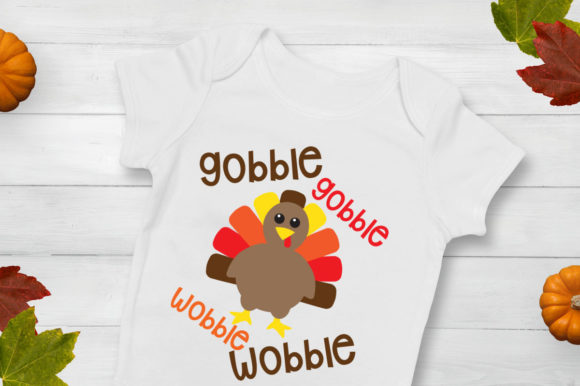
The name alone sets the stage. "Gobble Wobble" suggests movement, silliness, and approachability. In my experience, Thanksgiving designs often skew traditional—harvest moons, cornucopias, and serious autumnal palettes. Gobble Wobble Turkey breaks that mold by leaning heavily into humor and character. The visual personality is distinct: it’s not trying to be elegant; it’s trying to be funny. For a designer targeting families, this is a winning strategy. Parents want their children to look cute, but they also want them to look like themselves. A turkey with a quote attached offers immediate context and conversation value.
From a layout perspective, the design balances the graphic element (the turkey) with the typographic element (the quote). This duality is crucial. If the text is too small, it becomes unreadable after stitching. If the turkey is too large, it overwhelms the message. Initial observation suggests a balanced hierarchy that works well for chest placements on shirts or centered placements on tote bags. It feels ready-made for custom apparel where the wearer wants to broadcast a specific vibe without saying a word.
Real-World Application: Where Does This Fit?
I’ve been thinking through various product mockups since downloading the preview. The most obvious application is, of course, baby embroidery and kids’ wear. The playful nature of the design aligns perfectly with onesies, bibs, and toddler sweatshirts. However, as an experienced reviewer, I see potential beyond just clothing. This design has strong versatility for home goods.
Imagine a tote bag design made from heavy canvas. The bold lines of a cartoon turkey would pop against natural cotton or denim. It could easily serve as a festive grocery bag for a local market stall. Similarly, for kitchen decor, this fits right in on tea towels or aprons. The theme is domestic and warm, making it ideal for holiday embroidery gifts. I can easily visualize this on a pillow cover for a nursery or a guest room, adding a touch of seasonal whimsy without being overly religious or formal.
For the Etsy seller or small shop product owner, this design offers high giftability. Personalized gifts are a massive market during Q4. Adding a child’s name above or below the turkey quote transforms a standard graphic into a keepsake. The design’s simplicity ensures that it remains legible even when customized, which is a key factor in maintaining customer trust and reducing return rates due to dissatisfaction.
Technical Performance and Stitch Considerations
This is where the rubber meets the road. Any machine embroidery design needs to survive the reality of fabric tension and needle penetration. When evaluating Gobble Wobble Turkey, we have to consider the mix of stitches likely present. Designs of this nature typically rely on a combination of satin stitch for outlines and lettering, and fill stitch for the body of the turkey. There may also be running stitch details for eyes or feathers.
The critical metric here is stitch density. If the fill areas are too dense, the fabric will pucker, especially if you are working with lightweight knits or delicate baby fabrics. Conversely, if the density is too low, the stabilizer might show through, ruining the professional finish. Before committing to a full production run, I always advise testing the design on scrap fabric. Check the edges of the satin stitches—are they clean, or are there gaps? Are the fill stitches smooth, or do they look lumpy?
Thread color selection is another vital component. The contrast between the thread and the base fabric will make or break this design. On dark fabrics, you need bright, opaque threads to ensure the turkey stands out. On light fabrics, you have more flexibility, but you must watch for shadowing if the thread count is low. I recommend creating a black-and-white mockup to check the silhouette clarity before choosing your palette. This helps identify if the shape holds up without the distraction of color.
Where to Use With Caution
While this design is versatile, it isn’t universal. There are specific scenarios where Gobble Wobble Turkey might struggle:
- Small Hoop Sizes: If the design includes extensive text and a large graphic, it may exceed the limits of a 4x4 inch hoop. Always confirm the hoop size requirements before attempting to stitch it on smaller items like socks or tiny hats.
- Textured Fabrics: Materials like terry cloth, fleece, or heavy corduroy can hide fine details. The "wobble" aspect of the turkey might get lost in the texture, making the design look muddy rather than crisp.
- Stretchy Fabrics: Without proper stabilization, knit fabrics can distort under the pull of dense stitches. This design requires a sturdy cut-away stabilizer to maintain its shape on stretchy garments like sweatshirts or leggings.
- Curved Surfaces: Attempting to stitch this on a baseball cap or a curved tote bag handle requires advanced technique. The flat nature of the digital file may not translate well to three-dimensional curves without significant puckering.
Impact on Brand and Customer Perception
In the handmade market, professionalism is everything. A poorly executed embroidery job can damage a brand’s reputation faster than a bad review. Using a well-structured design like Gobble Wobble Turkey supports brand consistency. Because the design is pre-vetted for balance and clarity, it reduces the cognitive load on the maker. You aren’t fighting the design; you’re executing it.
For commercial embroidery projects, this design adds perceived value. Customers associate quality with precision. When they see a clean, humorous turkey on a high-quality garment, they perceive the entire product as premium. This is particularly important for digital product sellers who create mockups. A sharp, clear design translates better in photos, leading to higher click-through rates and buyer engagement.
Final Verdict and Practical Notes
Gobble Wobble Turkey is a solid addition to any holiday library, provided you understand its limitations. It excels in casual, fun contexts like kids’ wear, tote bags, and kitchen linens. It brings a smile to the face, which is exactly what people want during the chaotic holiday season.
Before you start stitching, remember these essential steps:
- Test First: Always run a test stitch on the actual fabric and stabilizer combination you plan to use.
- Check Licensing: Confirm whether the file is for personal use only or if it allows for commercial sale of finished products. This is non-negotiable for craft business owners.
- Inspect Details: Zoom in on the digital file. Are the small details (like the turkey’s beak or the quote’s letters) too thin to stitch reliably?
- Choose Your Threads Wisely: Match the thread weight and sheen to the fabric type to enhance the embroidery project’s final look.
If you are an Etsy seller or creative entrepreneur looking to capitalize on the Thanksgiving rush, this design offers a low-risk, high-reward option. It’s silly, it’s sweet, and it’s practical. Just remember that the success of the finished product depends as much on your setup and execution as it does on the design itself. Treat it with respect, test it thoroughly, and you’ll have a hit on your hands.